
Native Plant Spotlight: St. John's-wort


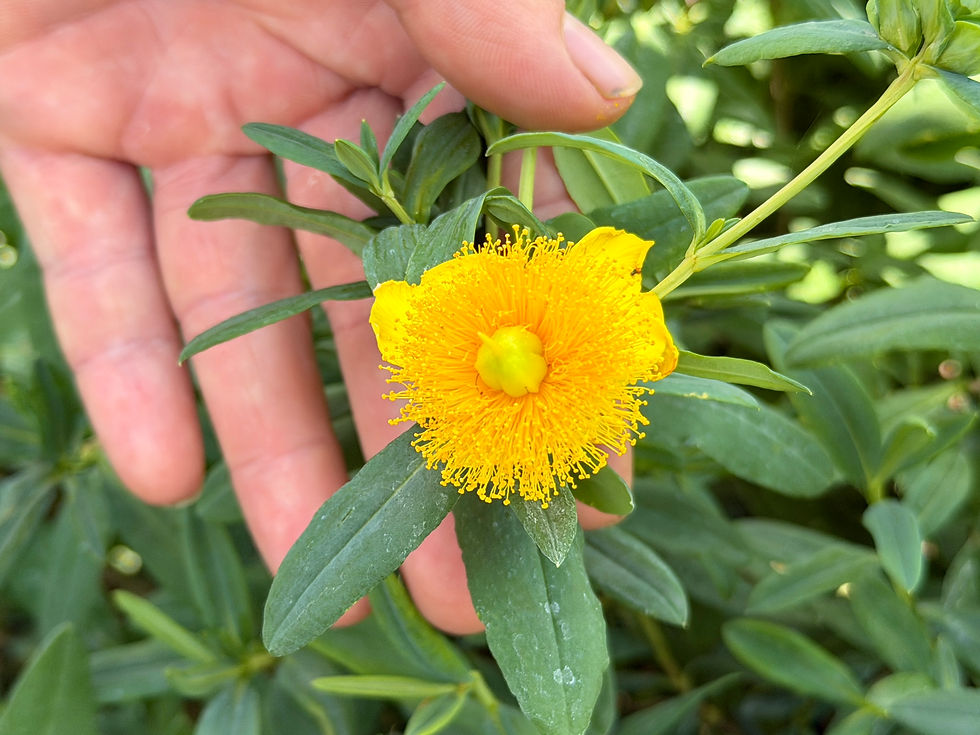
This week's Native Plant Spotlight features St. John's-wort, a highly adaptable shrub that delivers bright spring blooms, dependable texture, and exceptional durability in the landscape.
If you're looking for a low-maintenance plant that can handle difficult sites while providing season-long interest, St. John's-wort deserves a closer look.
Why We Like It
St. John's-wort is one of those plants that quietly gets the job done. It tolerates a wide range of growing conditions, resists deer browsing, and performs well in areas where many other plants struggle.
Its cheerful yellow flowers brighten the landscape in spring, while its dense green foliage provides texture and structure throughout the remainder of the growing season.
Seasonal Interest
Spring
Bright yellow blooms cover the shrub, creating a vibrant display and attracting pollinators.
Summer
The flowers fade, but the plant continues providing attractive green texture and form.
Fall
Foliage remains clean and dependable, helping anchor the landscape.
Winter
In many landscapes, St. John's-wort maintains its structure and continues contributing texture during the dormant season.
Growing Conditions
Light: Full sun to shade (best flowering occurs in full sun)
Soil: Sand, loamy, or clay soils with good drainage
Moisture: Drought tolerant once established
USDA Zones: 3–8
Landscape Uses
St. John's-wort is incredibly versatile and can be used in a variety of landscape settings.
It works well as:
A low mounded shrub for structure
Groundcover when planted in groups
Erosion control on slopes
A tough plant for hot sidewalks and reflective walls
A low-maintenance foundation planting
Because of its adaptability and drought tolerance, it is often used in challenging sites where other shrubs may struggle.

Maintenance
Prune back to the lowest healthy node in late winter or early spring to encourage fresh growth and maintain a tidy shape.
Beyond occasional pruning, St. John's-wort requires very little maintenance.
A Note for Livestock Owners
While St. John's-wort is an excellent landscape plant, it can be toxic to livestock if consumed in large quantities.
Homeowners with grazing animals such as cattle, horses, sheep, or goats should avoid planting it in areas accessible to those animals.
Find It at Carson's
You'll find St. John's-wort in our native plant sections throughout the nursery. If you're looking for a durable, drought-tolerant shrub that offers bright blooms and dependable performance, stop by and let our team help you decide if it's a good fit for your landscape.
Stay tuned for next week's Native Plant Spotlight as we continue highlighting native plants and native cultivars that thrive in southwest Missouri landscapes.


Comments