
Why Root Pruning Before Planting Matters

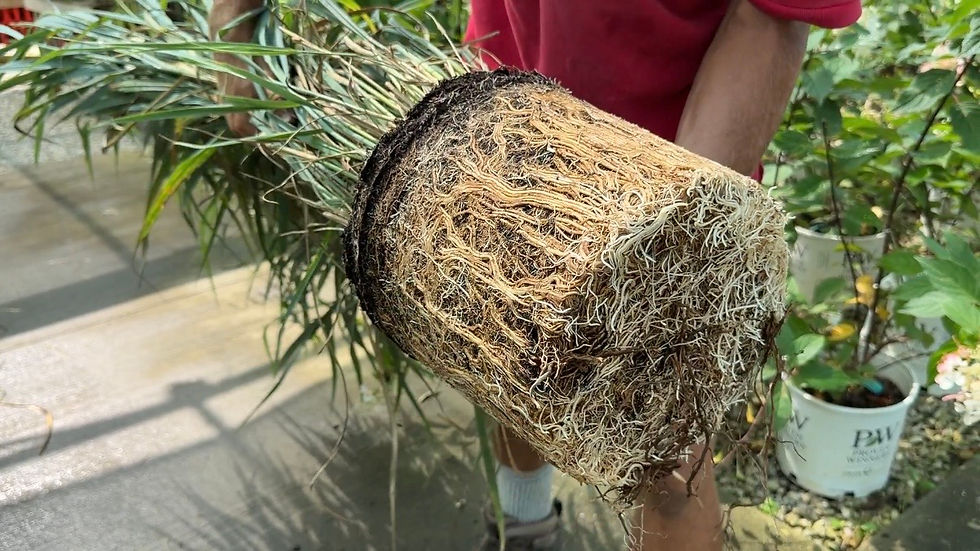
When planting container-grown plants, it's easy to focus on digging the perfect hole and choosing the right location. But one of the most important steps happens before the plant ever goes into the ground: checking the root ball.
In this week's How-To Friday, Luke demonstrates how root pruning can encourage healthier root development and improve the long-term success of your plants.
What Are Circling Roots?
Plants that spend time growing in containers often develop roots that begin circling around the inside of the pot.
If these circling roots are left alone, they may continue growing in that same pattern after planting instead of spreading into the surrounding soil.
How to Root Prune
Luke recommends inspecting the root ball before planting and removing roots that are circling.
One effective method is using a knife to make a lattice-work pattern across the bottom of the root ball. This cuts through circling roots and encourages new roots to grow outward into the soil.
If necessary, a few vertical cuts can also be made along the sides of the root ball where circling roots are present.
The goal isn't to remove healthy roots—it's to redirect roots that are growing in the wrong direction.

Why It Helps
Root pruning encourages the plant to establish itself more quickly in its new location by promoting outward root growth instead of allowing the roots to continue circling.
During the demonstration, Luke used a native ornamental grass as an example. Once established, grasses like these can develop remarkably deep root systems, making healthy root establishment especially important. Watch the full YouTube Video here: How To Root Prune Before Planting

Need Planting Advice?
Whether you're planting trees, shrubs, ornamental grasses, or perennials, taking a few extra minutes to inspect the root ball can make a big difference.
If you have questions about planting techniques or aren't sure whether your plant needs root pruning, stop by Carson's Nurseries or give us a call. Our team is always happy to help you get your plants off to the best possible start.


Comments